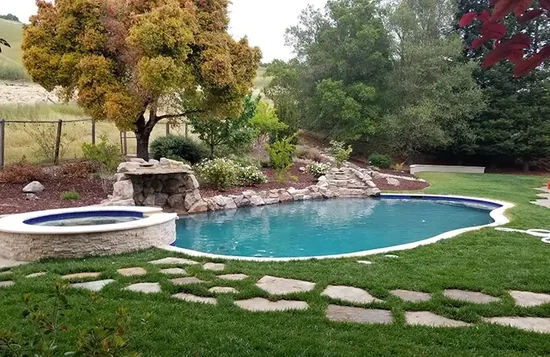
Aqua Dream Pools

A pool is one of the biggest investments a Danville homeowner can make, and like any major investment, it deserves a professional set of eyes from time to time. That is exactly what a swimming pool inspection is for. Whether you are buying a home with a pool, preparing to sell, or simply want to confirm your own pool is safe and sound, an inspection gives you a clear, objective picture of its condition.

Why a Swimming Pool Inspection Matters

A pool can look inviting and still hide problems beneath the surface. Cracks in a gunite shell, a worn plaster finish, failing equipment, or an unsafe drain cover are rarely obvious from the pool deck. Safety is the foremost concern: a comprehensive inspection identifies potential hazards such as malfunctioning drains, inadequate barriers, faulty electrical connections, or tripping hazards in the pool area. Compliance matters, too. An inspection helps confirm that your pool adheres to local regulations and safety codes, which protects you from potential legal and financial repercussions.

For Home Buyers

For potential homebuyers, a pool inspection provides essential peace of mind. It offers a clear understanding of the pool’s condition before you close, aiding in informed decision-making and negotiation with sellers regarding repairs or adjustments. Skipping this step is one of the most common and costly mistakes a pool-owning homebuyer can make.

For Homeowners and Property Managers

Prolonging the lifespan and value of your pool is a significant benefit of regular inspections and maintenance. Well-maintained pools retain their value and functionality over time. Periodic inspections surface structural issues, equipment efficiency problems, and water quality concerns early — before they turn into expensive repairs. In some cases, insurance providers may even require a documented inspection for pool coverage.

What an Inspection Actually Covers

A thorough swimming pool inspection is a top-to-bottom evaluation, not a quick glance at the water. Key areas include:

  • Structure: the pool shell, walls, and floor for cracks, delamination, rust stains, or movement in the coping and decking around the pool.
  • Finishes: the condition of the plaster, pebble, or quartz interior finish, since a worn finish can signal water chemistry problems or an aging surface nearing resurfacing.
  • Equipment: the pump, filter, heater, and automation controls — checked for leaks, unusual wear, corrosion, and correct operation.
  • Plumbing and electrical: return lines, skimmers, and main drains, plus bonding, grounding, and GFCI protection for anything electrical near the water.
  • Safety features: drain covers, fencing and gates, pool alarms or barriers, and ladders and handrails.
  • Water quality: a water chemistry assessment to confirm the pool is balanced and safe to use.

When to Schedule a Swimming Pool Inspection

Before You Buy a Home

Always order a dedicated pool inspection alongside your standard home inspection. General inspectors rarely evaluate a pool beyond a visual once-over, and the pool can represent tens of thousands of dollars in potential repair liability.

Each Swimming Season

For existing owners, an annual inspection — ideally at the start of the swim season — catches winter damage, equipment wear, and water chemistry drift early. It is a proactive measure that protects both swimmers and your long-term investment.

Before Remodeling

If you are considering a pool remodel, an inspection first gives you an accurate baseline. Knowing the true condition of the shell, plumbing, and equipment means the remodel scope is based on facts, not guesses.

After the Inspection: Putting the Report to Work

A quality inspection does not end with a checklist. The findings tell you exactly what to fix now, what to monitor, and what to plan for. Maintenance items like equipment tune-ups or finish care can often be handled right away, while larger items — such as a pool deck resurfacing project or an equipment replacement — can be budgeted with confidence because you discovered them early instead of during an emergency.

A swimming pool inspection is a proactive measure that promotes safety, compliance, and the long-term value of your pool investment. It turns uncertainty about your pool’s condition into a concrete plan you can act on, whether you are settling into a new Danville home or taking great care of the pool you already own.
Sound, Motion, and Style You Can Build In

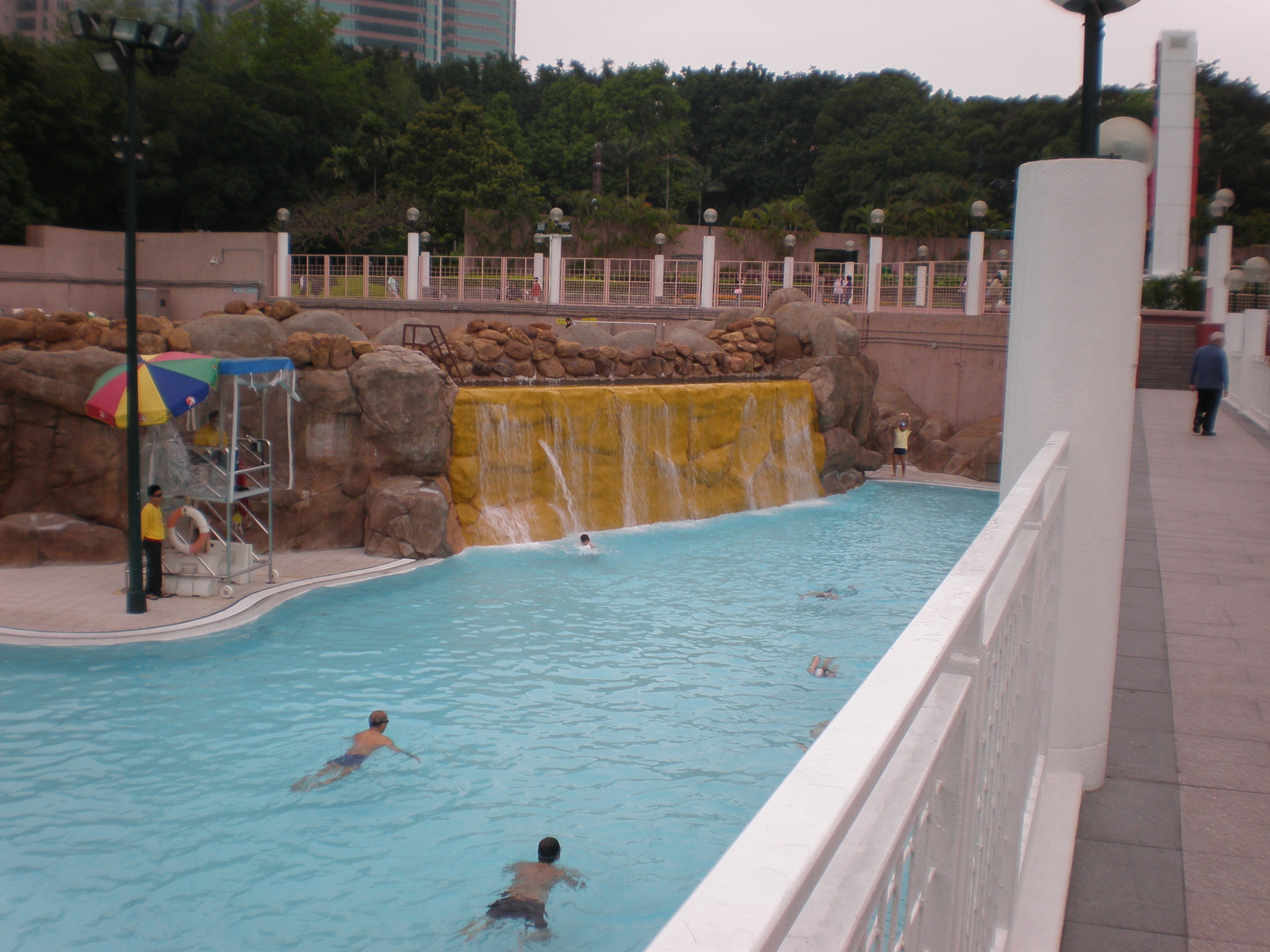
A pool with no water in motion is quiet in the wrong way. Add a feature that moves water — a waterfall, a sheer descent, a line of bubblers — and the same pool suddenly looks designed and sounds alive. Water features are one of the easiest ways to reflect your family’s style in a custom pool, whether that style is natural, modern, or somewhere in between. Here is a plain-English tour of the most popular water features and accessories, what each one actually does, and how to think about adding them to a new build or a remodeling project in the Bay Area.

Waterfalls: The Natural Choice

Waterfalls are the classic water feature for a reason. Built to cascade into the pool, they add sound and motion that make the whole yard feel more relaxed. A waterfall works with almost any design language: natural rock-styled falls suit freeform pools, while clean lines and stacked stone suit a more contemporary look. Because the fall is built into the pool’s structure, it is best planned during design — a professional builder can shape the height and flow so the sound is pleasant from a patio chair, not overwhelming.

Sheer Descents and Scuppers: Sleek and Modern

If a rocky waterfall does not match your style, sheer descents are the modern alternative. A sheer descent releases a thin, elegant sheet of water that falls smoothly into the pool — a clean, architectural look that pairs beautifully with glass tile and sharp edges.

Scuppers are similar cousins. They are decorative openings set into a wall or raised area, letting water spill through into the pool below. Where a sheer descent is a wide sheet, scuppers create a distinct, sculptural stream. Both options give you the sound of moving water with a far more refined silhouette than a natural waterfall — a favorite for homeowners who want the effect without the rustic styling.

Fountains and Rain Curtains

Fountains can be designed in a wide range of shapes and sizes, which makes them an easy way to create a striking focal point. They add the soothing sound of flowing water and can stand alone or complement other features in the pool.

Rain curtains are the more theatrical option. Thin streams of water fall from an overhead structure, creating the sensation of standing in a refreshing rain shower. It is a dramatic feature that guests remember — and one more reason water features deserve a spot in the design conversation early rather than as an afterthought.

Bubblers and Sun Shelves: Built for Lounging

Bubblers shoot playful jets of water up from the pool’s surface — small, lively bursts that kids love and that keep shallow water shimmering. Bubblers pair naturally with a sun shelf, also called a tanning ledge: a wide, shallow area in the pool where you can relax in just a few inches of water. Add bubblers to a sun shelf and you get a comfortable, splash-friendly lounge zone that photographs as well as it works. Built-in steps and benches complete the picture, offering convenient seating and easy entry points.

Lighting: The Feature You Notice After Dark

Underwater LED lighting earns its place on any shortlist. When night falls, lit water transforms the mood of the entire yard, while safer visibility for evening swims is a genuine practical benefit. Lighting is also one of the most flexible accessories: it works with waterfalls, sheer descents, rain curtains, and basic pools alike, and it multiplies the effect of every other feature you add.

Fun and Everyday Accessories Worth Considering

Water features shape the look and sound of the pool; accessories shape how you use it. Popular options include:

  • Pool slides — a reliable crowd-pleaser for families with children.
  • Swim-up bars — enjoy a drink without ever leaving the water.
  • Pool covers — automatic or manual, they support safety, improve energy efficiency, and help keep the pool clean between swims.
  • Outdoor showers — a quick rinse before swimming keeps the water cleaner.
  • Poolside landscaping, cabanas, and gazebos — plants and shade structures frame the pool area and make it an outdoor room rather than a concrete pad.

How Water Features Fit the Build or Remodel

The right feature depends on your pool, yard, and budget — and on timing. During a new build, features can be designed into the structure from day one: elevation changes for waterfalls and spillways, plumbing runs for bubblers and rain curtains, and lighting wiring planned before concrete is ever poured. During a remodel, many features can be added as part of a broader renovation, which is a good moment to reconsider an older pool wall or raised spa that has been underperforming visually.

A full-service custom builder handles both paths. Aqua Dream Pools has transformed 2,000 backyards and counting, designing everything from waterfalls and intricate tiling to ambient lighting as part of a complete custom pool build. The takeaway for homeowners: do not shop for water features as bolt-on trivia. Treat them as design decisions, made alongside the pool itself.

See the Options, Then Get an Estimate

The fastest way to settle on a feature set is to look at real examples. Browse the full water features and accessories lineup to compare waterfalls, sheer descents, bubblers, rain curtains, and lighting in one place, or get a jump-start with a free pool estimate for your backyard. Bring a photo of your yard and a short list of the features you love — the design conversation starts there.

Custom Pool and Spa Combo Design Ideas That Work

Why Pool and Spa Combos Are Having a Moment

A swimming pool alone turns a backyard into a place to cool off. A pool with an attached spa turns it into a place to live — morning laps, afternoon play, and a warm soak after the sun goes down. For homeowners planning a custom build, a pool and spa combo is one of the most requested layouts, and for good reason: it multiplies how you use the space without doubling the footprint.

If you are exploring a custom pool and spa for your property, the design choices you make early — where the spa sits, how water moves between the two, which features frame them — shape how the whole backyard feels for decades. Here are the combo layouts that work best, and what to think about before you commit.

The Spillover Spa: Seamless by Design

The spillover (or spill) spa is the classic combo. The spa sits level with or slightly above the pool, and its water spills over a raised edge — a dam wall — into the pool below. When the spa runs, you get the sound and movement of a waterfall built into the pool itself. When it is off, the two bodies of water read as one continuous design.

Homeowners like spillover spas because they solve two problems at once: the spa functions as a separate heated body of water, and the spillway doubles as a water feature that needs no extra space. It is the cleanest way to make a spa feel intentional rather than bolted on.

Custom pool and spa combo design with raised spillover spa

Raised Spas with Water Features

Take the spillover concept up a level — literally — by raising the spa 18 to 30 inches above the pool deck. A raised spa gives you:

  • A destination. Elevated spas read as a focal point, especially when finished with stone or tile that matches the pool coping.
  • Layered water effects. Sheer descent waterfalls or scuppers pouring from the spa wall into the pool add movement and sound.
  • Optional seating. A raised wall on the far side can double as informal seating around the spa.

Paired with water features and accessories like bubblers or deck jets, a raised spa becomes the anchor of the whole poolscape.

Fire and Water: The Backyard Contrast Pair

Water calms; fire energizes. Combining them near a pool and spa is one of the strongest design contrasts available. Fire bowls or a fire feature placed near the spa end of the pool extend usable hours into cool evenings — you can be in the spa, warmed from the water, with firelight across the surface. Add landscaping with mood lighting and the backyard stops being a daytime space entirely.

This is where a truly custom design pays off. Features, sightlines, and lighting can be arranged around how your family actually uses the yard — not a template.

Tanning Ledges and Baja Shelves Next to Spa Seating

Tanning ledges (also called Baja shelves) pair naturally with spa combos. The shallow ledge sits at one end of the pool for lounging with a book and feet in the water, while the spa waits at the other end for the evening wind-down. Between the two, the pool itself does its job: swimming, games, and everything in between. A layout like this gives every member of the household a reason to be outside.

Practical Questions That Shape the Design

Before drawings begin, a few practical decisions narrow the field fast:

  • How do you want to use the spa? A therapy-focused spa runs hotter and seats fewer people; an entertainment-focused spa stays open to the pool area.
  • Independent controls? Many owners want the spa heated and running on its own schedule, separate from the pool — worth deciding with your builder early, since it affects equipment.
  • Where does the view sit? Orient the spillover wall and water features toward the patio or main window views so the design is visible from inside the house too.
  • New build or remodel? Adding a spa to an existing pool is often possible with a pool remodel, though it changes plumbing and decking scope.

See It Before You Build It

The biggest risk in a combo design is guessing wrong on scale and placement. That is why we design in 3D first — as we covered in our post on how 3D CAD designs help you avoid costly mistakes, seeing the spa, spillway, and fire features positioned in your actual backyard settles debates before concrete is poured.

Design Your Pool and Spa Combo

A pool and spa combo is not one feature — it is a system: spa placement, water movement, fire, light, and landscaping working together. Residential custom pools are the specialty here, and every backyard gets a design built around it, not a standard plan.

Ready to see what a combo would look like in your yard? Request a free pool estimate and start the conversation about a custom pool and spa designed for the way you live.