Aqua Dream Pools

Why Acid Washes Take the Spotlight During a Danville Remodel

When most Danville pool owners plan a remodel, they picture the visible upgrades: new coping, a fresh deck, maybe a tanning ledge. The work that transforms the pool most dramatically, though, often happens on the inside surface of the shell – and for many older pools, that starts with an acid wash.

Acid washing strips away the thin, stained outer layer of plaster to reveal a cleaner, brighter finish underneath. It is one of the fastest ways to take years off a pool that has faded, mottled, or picked up stubborn algae staining that brushing alone never touches.

What an Acid Wash Actually Does

The process uses a diluted muriatic acid solution applied to a drained pool shell. The acid etches away a microscopic layer of the plaster surface, taking stains, calcium deposits, and embedded algae with it. Done correctly, the result is a brighter, more uniform finish – part cleaning, part careful resurfacing.

The trade-off is plaster thickness. Every acid wash removes a small amount of material, so the treatment is best saved as an occasional reset rather than a yearly habit. A pool that needs acid washing every season usually has a water chemistry problem that needs solving, not just a surface that needs stripping.

Signs Your Pool Is a Candidate

  • Widespread staining or mottling that brushing and chemical treatments have not touched.
  • Algae ghosts – dark patterns that remain after a bloom has been killed off.
  • Calcium nodules or scale lines along the waterline and on steep walls.
  • A dull, gray cast that no amount of balancing has brightened.

How It Fits Into a Larger Remodel

During a pool remodel, an acid wash often pairs naturally with other surface work. Once the shell is drained for equipment upgrades, tile replacement, or coping repairs, the exposed finish is the perfect time to evaluate whether cleaning or full pool resurfacing makes more sense.

That call comes down to condition. A structurally sound plaster surface with cosmetic staining is a strong candidate for acid washing. A finish that is thin, cracked, or past its service life is better renewed entirely – and in the East Bay, that usually means comparing plaster against longer-lasting pebble and quartz interior finishes.

Draining and Safety Are Part of the Job

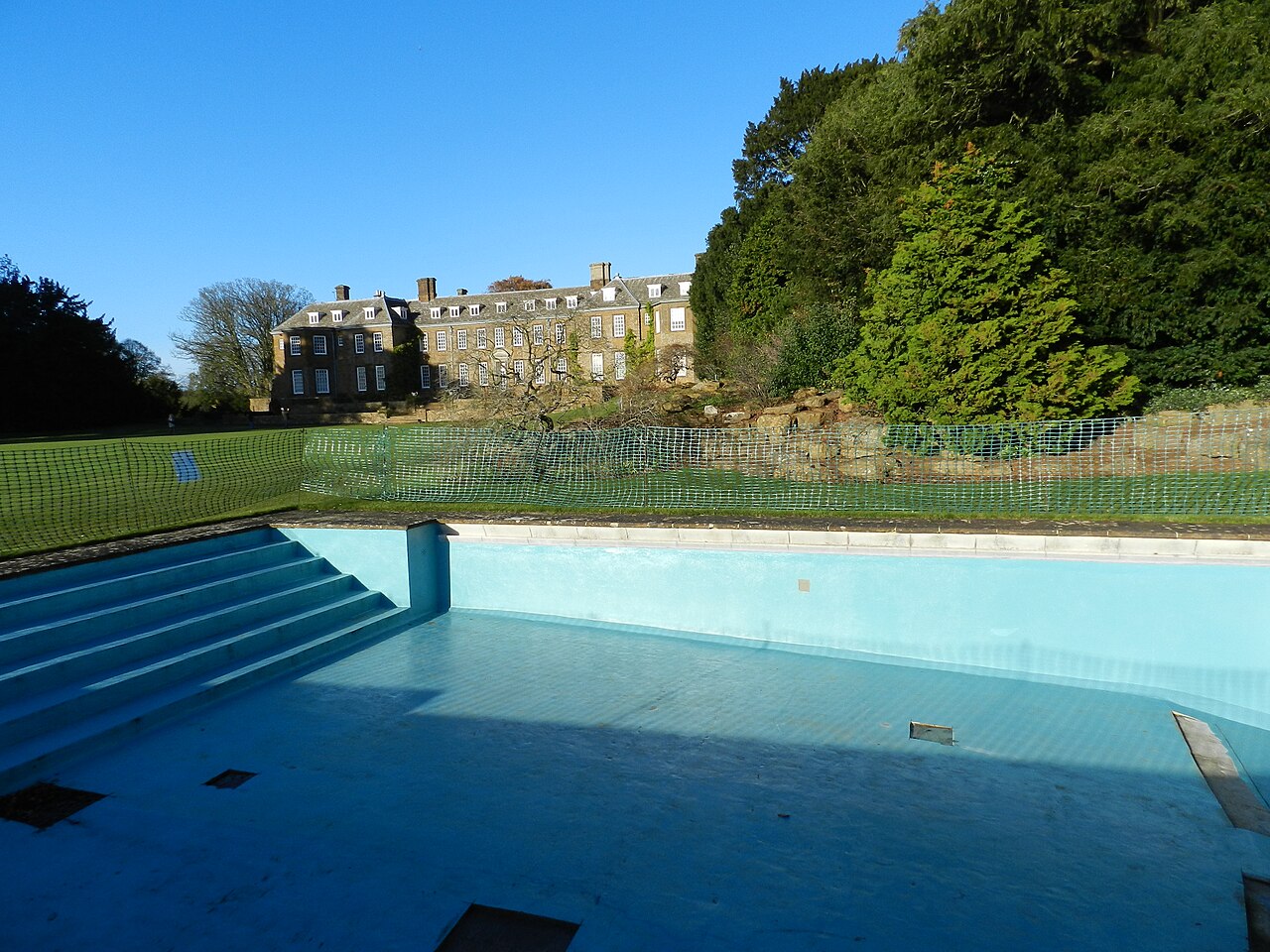
Acid washing requires fully draining the pool, which brings its own risks: hydrostatic pressure on an empty shell, and handling concentrated acid. Professional crews manage both – monitoring groundwater conditions while the pool is empty and applying the solution with the right protective equipment and neutralization steps afterward.

For Danville homeowners, that is the practical takeaway. The acid wash itself is a carefully controlled process, and it earns its place in a remodel when it is timed with the rest of the surface work rather than improvised on its own.

The Bottom Line

An acid wash is not a makeover on its own – it is one tool in the remodel toolkit, best used when a healthy plaster finish just needs its brightness back. If your Danville pool shows stains, algae ghosts, or a tired gray cast, a surface evaluation during your next remodel is the smartest time to find out whether cleaning or resurfacing gives you the better long-term result.
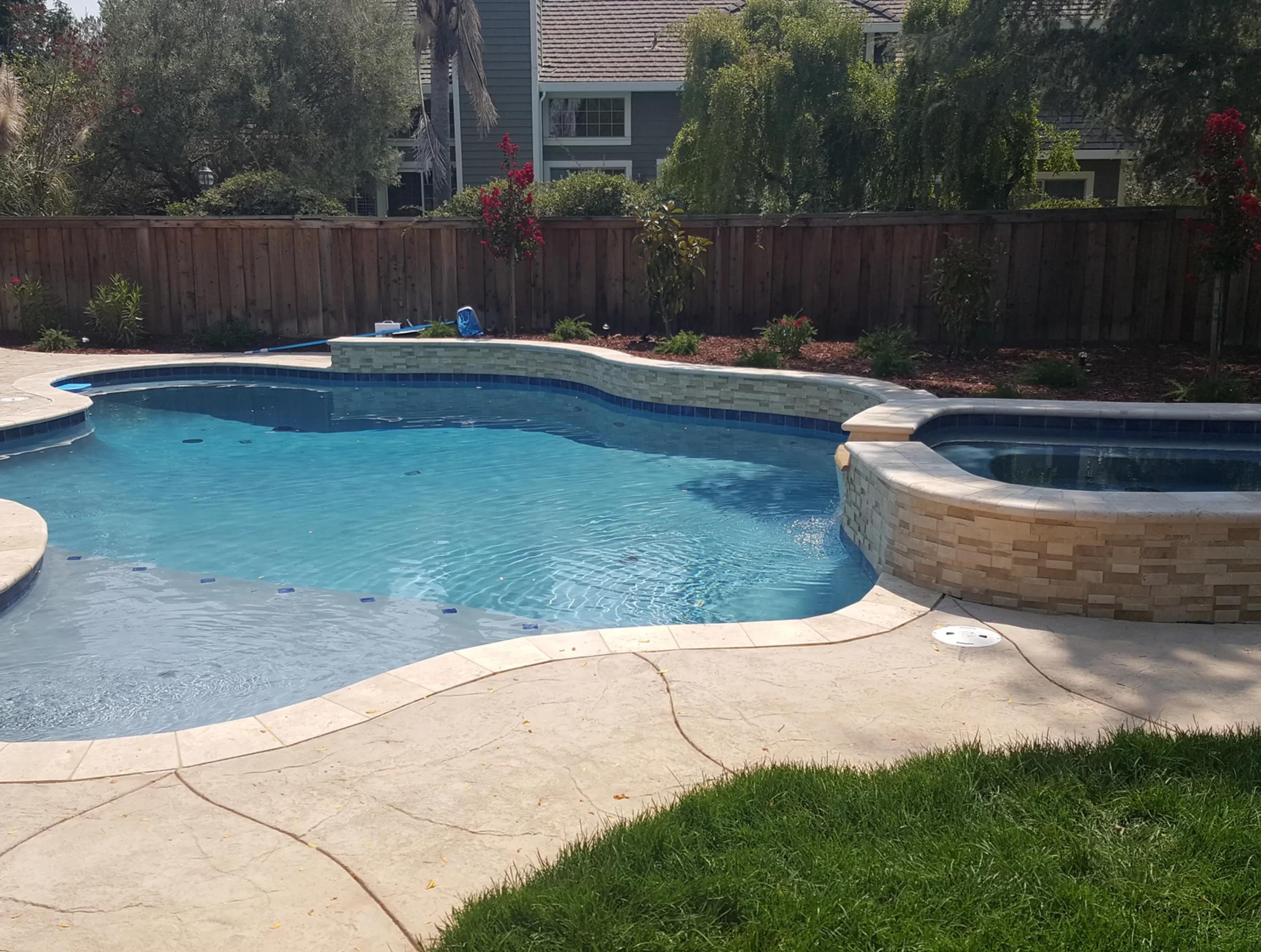
A pool deck in Alamo works hard. It takes years of sun, splash-out, and traffic — and many Alamo backyards have decks built long before the pool got its last update. Once the surface looks tired, homeowners face the same question: can targeted repairs bring the deck back, or is it time to resurface the whole thing?

What Deck Repair Covers

Deck repair means fixing what is already there, spot by spot. On a sound deck, small problems can often be handled individually: a hairline crack sealed, a loose paver reset or swapped for a matching one, waterline coping re-mortared. Repair is the sensible first call when the damage is small and isolated — one shifted paver out of four hundred does not require a new deck.

The catch: patches have to bond to the old surface, and they rarely match it in color and texture. A structurally sound deck can carry a few honest patches. A deck that reads like a quilt of old and new sections is telling you the repair era is over.

What Full Resurfacing Means

Resurfacing treats the deck as one surface. Instead of chasing individual problems, the wearing course is replaced across the entire perimeter, so the deck reads as one clean plane again. The new surface can be broomed concrete, salt finish, exposed aggregate, stamped concrete, brick, pavers, or custom stone — and because the finish is applied all at once, materials, joints, and pattern all come out consistent, which is exactly what an aging deck has usually lost. It is also the natural moment for upgrades a repair cannot deliver, from a wider lounging area to a deck tied into a planned remodel.

Warning Signs That Point Past Spot Repair

  • Cracks that run in groups or keep returning — a network of cracks means the surface has finished its working life.
  • Settling or heaving — where slabs tilt away from the pool or pavers undulate, the base moved; a patch will not re-level it.
  • Many loose or sunken pavers — once a noticeable share has shifted, resetting piecemeal stops making sense.
  • Surface worn through — concrete worn raw or coping that chips easily is past the patch stage.
  • Style that no longer fits — if pool, landscaping, and furniture were updated, resurfacing pulls the yard together.

The Material Choice Matters in Alamo’s Climate

Tri-Valley yards run through hot, dry summers and cool winters, and that swing is what moves pool surfaces around. Rigid slabs expand and contract, which is why hairline cracks are common after several seasons of heat. Interlocking pavers and natural stone tolerate that movement better, because the joints absorb what one large slab cannot. Stamped concrete offers a wide decorative range, while travertine stays cooler under bare feet in summer sun.

How We Handle Deck Work

On new construction, decking has its own stage in our process: after the gunite shell is in and before the interior finish is applied. On existing pools, deck renovation is popular because it transforms the yard without disturbing the pool itself. The work starts on paper — every client receives a custom 3D design showing the pool, deck, landscaping, and water features together before ground is broken. For materials, our affiliate showroom in Livermore displays hundreds of decking, coping, and tile options in person. You can review our pool deck installation and resurfacing service, and see how the decking stage fits into swimming pool construction.

Repair or Resurfacing: A Simple Decision Guide

  • One loose paver, one stain — repair the spot and watch its neighbors.
  • Cracks recurring, edges sinking, pavers rippling — the deck wants resurfacing, not another patch.
  • Deck dated but structurally fine — resurfacing delivers the biggest visual return.
  • Remodel planned — renovate the deck within it so the finishes are chosen together.

The most expensive mistake is ordering the wrong size job: years of spot repairs on a deck that needed a new surface, or a resurface laid over a base problem a repair could have solved. A deck evaluation settles it in a single visit.

Frequently Asked Questions

Can only part of my pool deck be resurfaced?

Sometimes. If damage is confined to one section, a partial resurface can work; the hard part is blending new material into old, since fresh material tends to stand out next to faded. We check where a seam would fall first.

How do I know if deck cracks point to a bigger problem?

Pattern matters more than length. Hairline cracks that stay put are usually shrinkage in the wearing course and are repairable. Wide or offset cracks, or cracks that keep coming back after being filled, point to movement in the base.

What deck surface holds up best around an Alamo pool?

Interlocking pavers and natural stone handle ground movement and temperature swings better than one large rigid slab. Stamped and broomed concrete offer strong value when the design calls for a poured surface. The right choice balances slip resistance, heat, and maintenance.

Why Resurfacing Is the Heart of Most Pool Remodels

Among all the projects a swimming pool remodel can include, renewing the interior surface is the one most Danville pool owners eventually face. Resurfacing means applying a new finish to the inside of the pool shell, and it fixes the problems you notice first: rough texture, stains that brushing will not lift, and small cracks in the plaster. It is also the change that makes an older pool look brand new again the moment it is refilled.

Concrete gunite shells last for decades, but their interior coating does not. Sunshine, temperature swings, and shifting water chemistry slowly wear the surface down, so picking the right replacement finish matters as much as deciding to resurface.

The Three Main Interior Finish Options

For pool resurfacing, Danville homeowners most often choose between three interior finishes: plaster, pebble, and quartz. Each has a distinct feel underfoot, a different look in the water, and its own maintenance personality.

Plaster: The Classic Choice

White plaster is the traditional finish, and it remains popular because it delivers that bright, classic pool color at the lowest cost of the three options. The surface is smooth and comfortable to walk on, and it can be tinted to shift the water’s hue. The trade-off: plain plaster is the most sensitive of the three finishes to water chemistry, so it rewards owners who stay on top of balancing.

Pebble: Built for Durability

Pebble finishes blend small, natural stones into the surface coating, creating a textured, non-slip feel and a rich, natural water color. It is the toughest of the three, handling heavy use, big temperature swings, and less-than-perfect chemistry better than plain plaster. Families who want a finish that shrugs off years of heavy swimming tend to land here, accepting a slightly higher price.

Quartz: The Middle Path

Quartz finishes mix mineral aggregate into a plaster base, producing a surface that is smoother than pebble yet tougher than plain plaster. Fine flecks in the mix catch the sunlight and give the water a subtle sparkle, and the range of tint colors is wide. For many Tri-Valley pool owners, quartz is the balance point between budget, comfort, and longevity.

What Danville’s Climate Means for Your Finish

Outdoor pools in the Danville area run through hot, dry summers and cool winters, and those swings stress both evaporation and water chemistry. Choosing a finish that tolerates them, paired with regular testing, keeps the surface looking good longer.

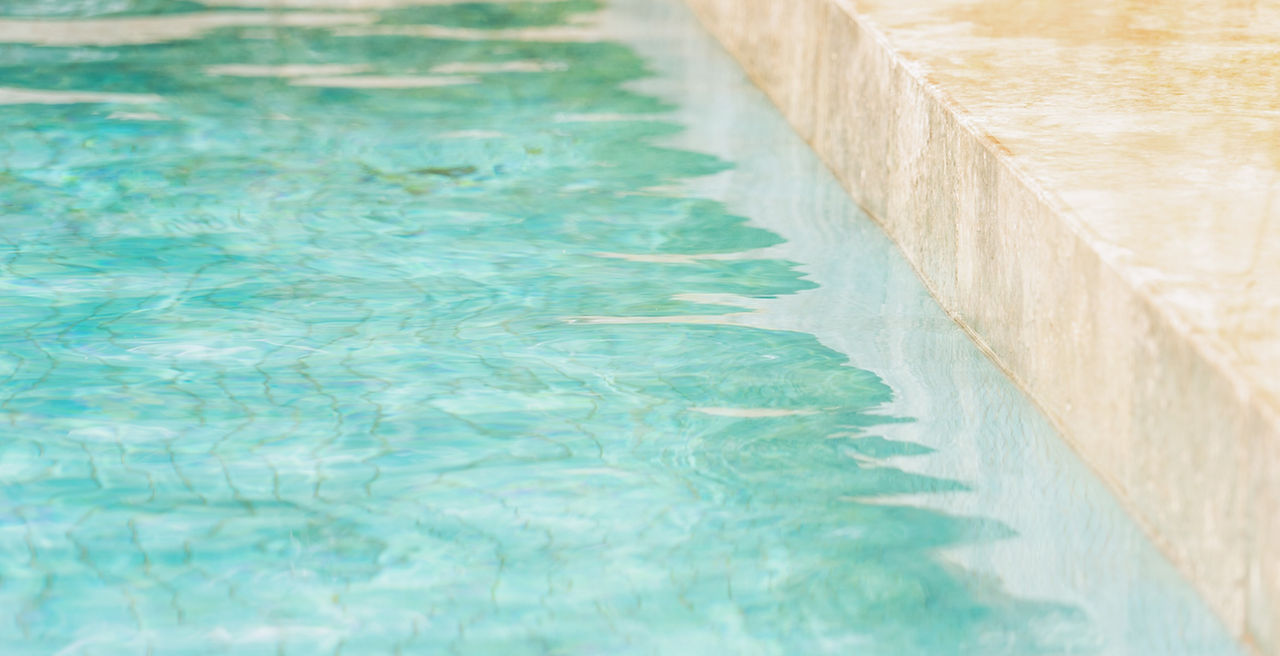
Fresh turquoise pool water along the stone coping edge, the payoff of a quality resurfacing finish

See and Compare Finishes in Person

Reading about finishes is one thing; seeing them is another. At our affiliate NPT pool design showroom in Livermore, you can view hundreds of selections for new pools and remodels, including pool tile, porcelain, glass, coping stones, travertine, and plaster finishes, along with mosaics, equipment, and decking materials. Our sales team will help you match a surface to your vision. To see how resurfacing fits into a full remodel project, visit our Swimming Pool Remodel page for the complete scope of work.

Plaster, Pebble, or Quartz: A Quick Decision Guide

  • Choose plaster if you want the classic look, a smooth surface, and the lowest upfront cost, and you stay diligent with water chemistry.
  • Choose pebble if durability is the priority: a finish that stands up to heavy use with a natural, textured look.
  • Choose quartz if you want more strength than plaster and a smoother feel than pebble, with sparkle and a wide color range in between.

Still deciding? Most pool resurfacing projects in Danville come down to budget, feel, and longevity.

Frequently Asked Questions

How long does each interior finish typically last?

Lifespan depends heavily on water care, but as a general guide, white plaster typically serves about 10 to 15 years, quartz runs a few years longer, and pebble finishes can exceed two decades when the water stays balanced. Resurfacing before the surface fails fully also protects the shell underneath.

Can I change my pool’s color during a resurfacing project?

Yes. Resurfacing is the natural moment to change the water’s appearance, because the finish color drives how the water looks. White plaster gives a pale blue, tinted plaster shifts it toward gray or green-blue, and pebble and quartz lines offer blended color choices. Seeing samples side by side makes the decision easier.

Does the pool need to be drained for resurfacing?

In most cases, yes. Applying a new interior finish to a gunite pool is done with the pool emptied so the surface can be prepared and coated properly. Your crew will plan the drain, prep, and refill sequence with you to keep the downtime short.