
A pool is one of the biggest investments a Danville homeowner can make, and like any major investment, it deserves a professional set of eyes from time to time. That is exactly what a swimming pool inspection is for. Whether you are buying a home with a pool, preparing to sell, or simply want to confirm your own pool is safe and sound, an inspection gives you a clear, objective picture of its condition.
Why a Swimming Pool Inspection Matters
A pool can look inviting and still hide problems beneath the surface. Cracks in a gunite shell, a worn plaster finish, failing equipment, or an unsafe drain cover are rarely obvious from the pool deck. Safety is the foremost concern: a comprehensive inspection identifies potential hazards such as malfunctioning drains, inadequate barriers, faulty electrical connections, or tripping hazards in the pool area. Compliance matters, too. An inspection helps confirm that your pool adheres to local regulations and safety codes, which protects you from potential legal and financial repercussions.
For Home Buyers
For potential homebuyers, a pool inspection provides essential peace of mind. It offers a clear understanding of the pool’s condition before you close, aiding in informed decision-making and negotiation with sellers regarding repairs or adjustments. Skipping this step is one of the most common and costly mistakes a pool-owning homebuyer can make.
For Homeowners and Property Managers
Prolonging the lifespan and value of your pool is a significant benefit of regular inspections and maintenance. Well-maintained pools retain their value and functionality over time. Periodic inspections surface structural issues, equipment efficiency problems, and water quality concerns early — before they turn into expensive repairs. In some cases, insurance providers may even require a documented inspection for pool coverage.
What an Inspection Actually Covers
A thorough swimming pool inspection is a top-to-bottom evaluation, not a quick glance at the water. Key areas include:
- Structure: the pool shell, walls, and floor for cracks, delamination, rust stains, or movement in the coping and decking around the pool.
- Finishes: the condition of the plaster, pebble, or quartz interior finish, since a worn finish can signal water chemistry problems or an aging surface nearing resurfacing.
- Equipment: the pump, filter, heater, and automation controls — checked for leaks, unusual wear, corrosion, and correct operation.
- Plumbing and electrical: return lines, skimmers, and main drains, plus bonding, grounding, and GFCI protection for anything electrical near the water.
- Safety features: drain covers, fencing and gates, pool alarms or barriers, and ladders and handrails.
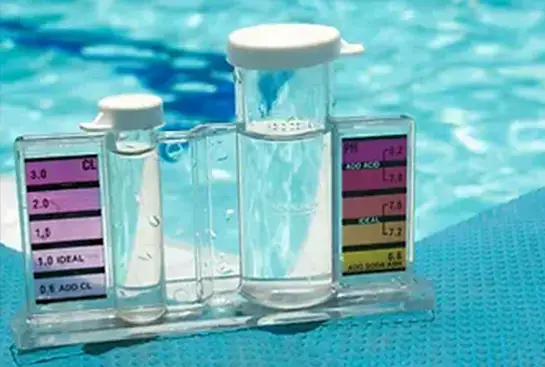
- Water quality: a water chemistry assessment to confirm the pool is balanced and safe to use.
When to Schedule a Swimming Pool Inspection
Before You Buy a Home
Always order a dedicated pool inspection alongside your standard home inspection. General inspectors rarely evaluate a pool beyond a visual once-over, and the pool can represent tens of thousands of dollars in potential repair liability.
Each Swimming Season
For existing owners, an annual inspection — ideally at the start of the swim season — catches winter damage, equipment wear, and water chemistry drift early. It is a proactive measure that protects both swimmers and your long-term investment.
Before Remodeling
If you are considering a pool remodel, an inspection first gives you an accurate baseline. Knowing the true condition of the shell, plumbing, and equipment means the remodel scope is based on facts, not guesses.
After the Inspection: Putting the Report to Work
A quality inspection does not end with a checklist. The findings tell you exactly what to fix now, what to monitor, and what to plan for. Maintenance items like equipment tune-ups or finish care can often be handled right away, while larger items — such as a pool deck resurfacing project or an equipment replacement — can be budgeted with confidence because you discovered them early instead of during an emergency.
A swimming pool inspection is a proactive measure that promotes safety, compliance, and the long-term value of your pool investment. It turns uncertainty about your pool’s condition into a concrete plan you can act on, whether you are settling into a new Danville home or taking great care of the pool you already own.